OTT Releases Today & This Week
Track the latest movies and web series releasing on major OTT platforms. Discover today’s releases, upcoming weekly episodes, and full-season drops — all organised by date.





Track the latest movies and web series releasing on major OTT platforms. Discover today’s releases, upcoming weekly episodes, and full-season drops — all organised by date.
Track the latest movies and web series releasing on major OTT platforms. Discover today’s releases, upcoming weekly episodes, and full-season drops — all organised by date.
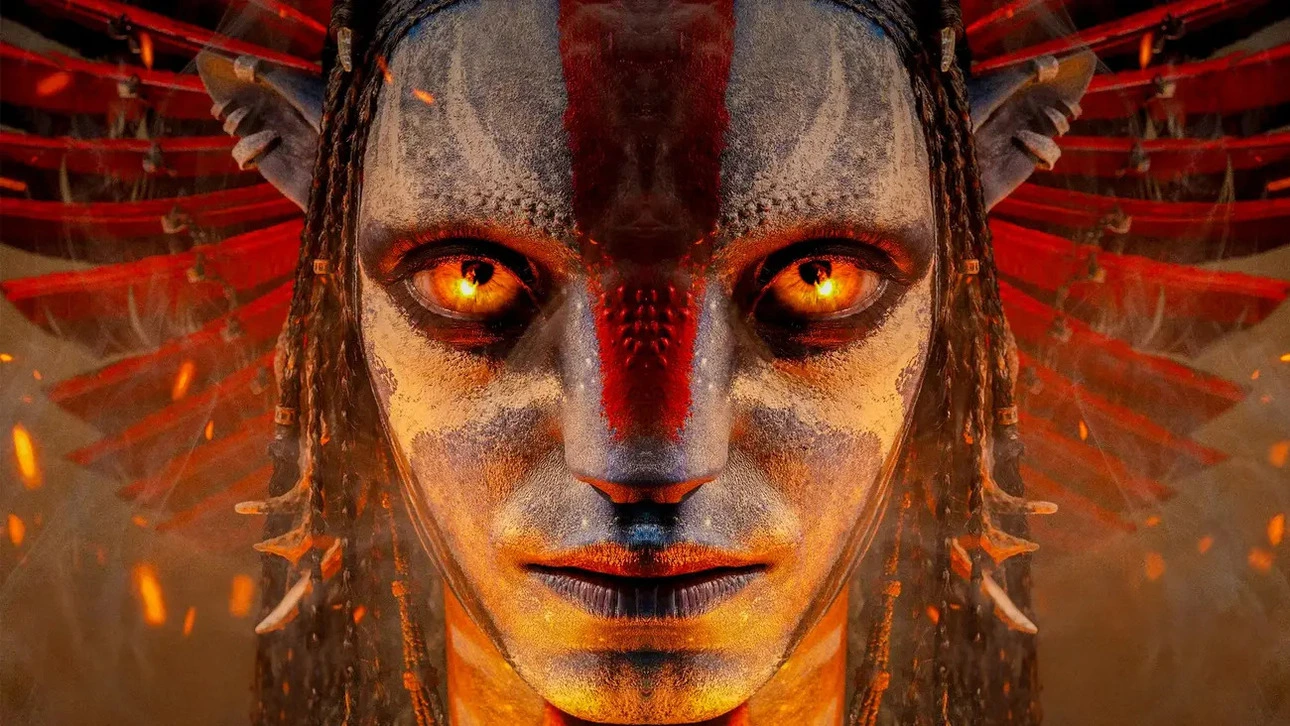
James Cameron’s Avatar: Fire and Ash finally hit theaters today—December 19, 2025—and if you’re like me, you’re still buzzing from those volcanic landscapes and fiery Na’vi battles. The third chapter dives deeper into Pandora’s dangers, introducing the aggressive Ash People (led by Oona Chaplin’s Varang) while Jake, Neytiri, and the Sully family grapple with loss and new threats from Quaritch. It’s darker, more intense, and visually stunning as ever.
But behind all that bioluminescent magic? A mix of high-tech studios and some surprising real-world scouting. Cameron shot this one (and much of the sequels) years ago, wrapping principal work back in 2020 after pandemic delays. Here’s the breakdown of the key spots that helped bring this epic to life.
The bulk of production happened in two main hubs: California for early motion capture and New Zealand for the heavy lifting on live-action and massive sets. Cameron’s team kicked things off in late September 2017 at MBS Media Campus in Manhattan Beach, Los Angeles County. This sprawling spot at 1600 Rosecrans Avenue became ground zero for performance capture—the actors in those dotted suits acting out scenes that get transformed into Na’vi later. With 15 huge sound stages covering nearly 385,000 square feet, plus offices, a backlot with mock New York streets, and on-site gear rentals, it’s perfect for a project this massive. Lightstorm Entertainment (Cameron’s company) is even based there, so it felt like home base. A lot of the intricate facial work and early tests happened in those controlled tanks and stages, especially pushing boundaries with fire and ash effects that couldn’t be done outdoors.
Then the crew packed up and headed to Wellington, New Zealand, where things really ramped up. Stone Street Studios in the Miramar suburb was the heart of it—four big sound stages, warehouses for building props, wardrobe rooms, and a massive backlot. This place has history with Cameron; it’s where a ton of The Lord of the Rings magic happened too. New Zealand’s government threw serious support behind the sequels (over 140 million NZD in incentives), and the cast/crew quarantined strictly in 2020 to resume after COVID shutdowns. Wellington’s natural beauty—rugged coasts, forests, volcanic areas—inspired drone scans for Pandora’s new fiery terrains. Wētā FX (right nearby) handled the mind-blowing VFX, turning those captures into the glowing, ash-covered worlds we see.
There were whispers of scouting in Lviv Oblast, Ukraine too—western areas around Lviv and Yavoriv for reference on dramatic landscapes. Drone teams grabbed footage of natural volcanic-like features and rugged terrain to feed into digital builds, adding authenticity to the Ash People’s homeland. It wasn’t full-on shooting there, more inspiration gathering, but it shows how far Cameron goes for realism.
The whole shoot spanned over three years, with pauses for tech tweaks and the pandemic. By late 2020, Cameron called 95% wrapped on this one, with pickups trickling into later years. Post-production stretched long—fine-tuning those fire simulations, ash particles, and massive battles. Jon Landau (RIP) and the team pushed hard, even after his passing in 2024.
What stands out is how grounded the process feels despite the out-of-this-world results. No exotic on-location jungles this time—mostly controlled environments to nail the tech. Yet those New Zealand vibes seep through in the epic scale. If you’ve seen it already (or planning to this weekend), the volcanic stuff feels alive because of that real-world reference.
The film’s getting solid buzz—praise for the action and emotional family beats, some gripes on runtime (over three hours again). Worthington, Saldaña, Weaver, Lang, Winslet, and newcomers like Chaplin and Thewlis deliver. If it performs, we’re locked for more Pandora trips. For now, grab those 3D tickets—it’s meant for the big screen. Which new biome blew you away most? The ash fields got me.