OTT Releases Today & This Week
Track the latest movies and web series releasing on major OTT platforms. Discover today’s releases, upcoming weekly episodes, and full-season drops — all organised by date.





Track the latest movies and web series releasing on major OTT platforms. Discover today’s releases, upcoming weekly episodes, and full-season drops — all organised by date.
Track the latest movies and web series releasing on major OTT platforms. Discover today’s releases, upcoming weekly episodes, and full-season drops — all organised by date.
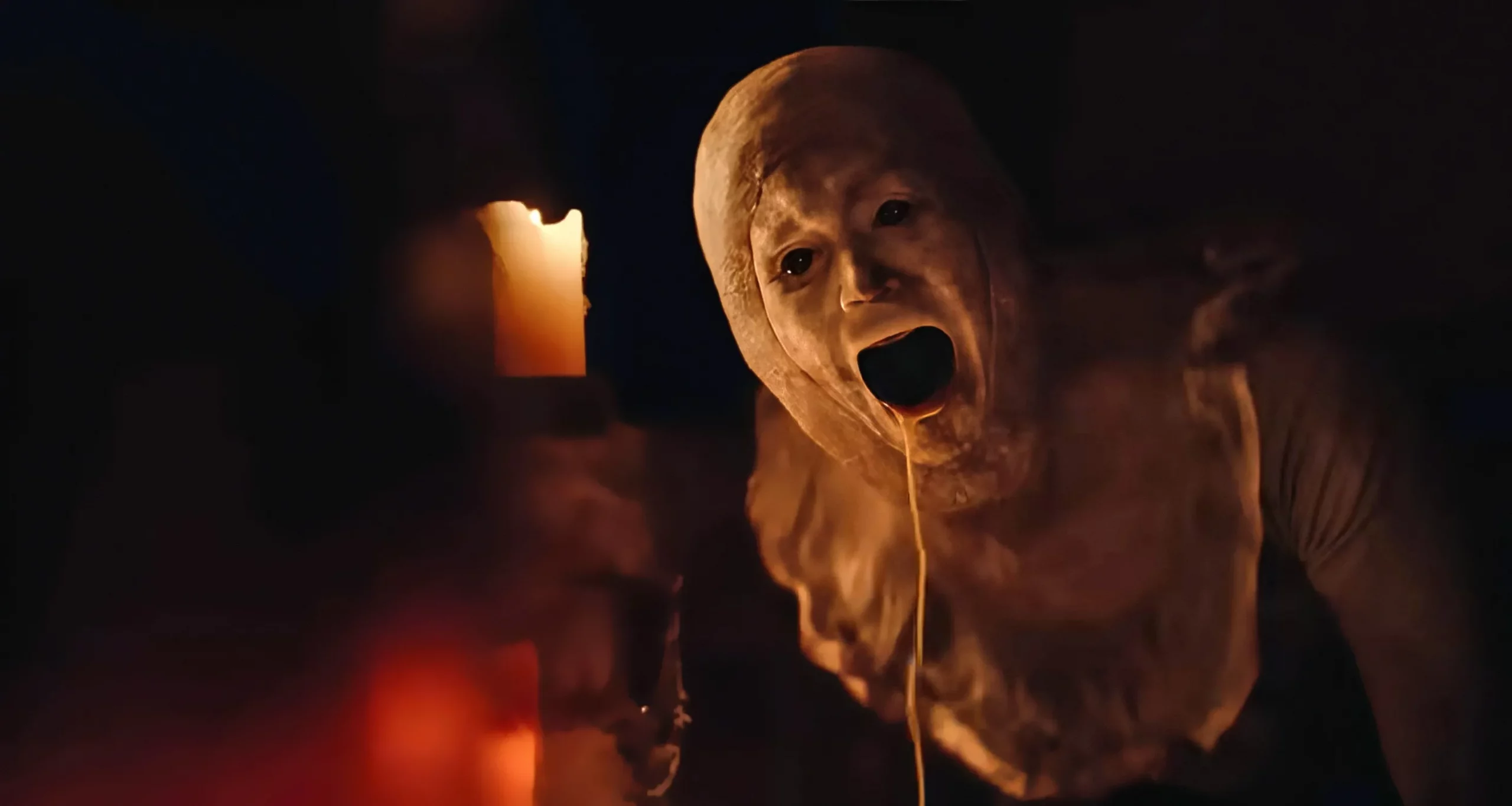
Osgood Perkins’ newest horror flick, Keeper, dazzles with its eerie visuals and moody atmosphere, but it stumbles a bit when it comes to a tight script that really pulls you in. It’s aiming to explore those messy, toxic dynamics in relationships—where both sides can be at fault—and serve as a stark reminder about red flags in love. Unfortunately, the scares don’t always land as hard as they could, and the storytelling feels a little uneven, which is a bummer given how promising it starts. Some folks have half-jokingly dubbed it a lighter version of Men, and yeah, there’s overlap: solid ideas about gender and power, but neither quite nails the execution perfectly.
The story follows Liz, a lively artist type who’s been seeing Malcolm, a reserved doctor, for around a year. To celebrate their anniversary, he finally invites her to his isolated family cabin deep in the woods—a big step for her, since she’s a total city person and not big on roughing it. She’s committed though, so she goes along, hoping for some quality time and romance. But from the moment they arrive, the vibe shifts. Liz starts picking up on odd noises, glimpses of shadowy figures, and Malcolm gets increasingly distant and evasive. The promised relaxing getaway turns into something far more unsettling. What exactly is lurking in that cabin’s history? Why is Malcolm behaving so oddly? Here’s a breakdown of the key twists and themes—watch out, big spoilers coming.
Things kick off innocently enough with Liz and Malcolm driving to the cabin, chatting like any couple. But Liz brushes off some creepy sounds and spots a box with what looks like bloody handprints. Malcolm waves it off, saying it’s a welcome cake from the caretaker. That cake becomes an early weird hint at the dysfunction bubbling under their relationship.
Later, after a nice dinner (more on the fish soon), they’re getting cozy when Malcolm’s cousin Darren drops by unannounced with his date, Minka—a stunning woman with perfect features who Darren claims doesn’t speak English. Darren’s already giving off major creep vibes, and while he pulls Malcolm aside for a suspicious chat, Minka casually warns Liz that the cake “tastes like crap,” deadpan as ever.
This moment highlights how Liz is ignoring blatant warning signs. She’s venting to a friend over the phone and clinging to this idea of the “perfect” life with her successful doctor boyfriend. Her insecurity flares up—she mocks Minka’s accent, sniping about how Malcolm might prefer a “dumb” trophy girlfriend. It’s her way of fishing for reassurance, but it exposes the controlling undercurrents in their dynamic.
Malcolm insists Liz try the cake anyway, brushing off her dislike for chocolate and acting like his pushiness is cute. She forces it down, echoing Minka’s words, while he just walks away. That night, in a trance-like state, Liz devours the rest with her hands—it looks gross, almost meaty and bloody. Turns out, it’s laced with a drug meant to knock her out in small doses. But she overdoses because the creatures tied to the cabin mistake her for their long-lost “mother” (she bears a striking resemblance), and instead of devouring her, they start revering her. The cake binds her to them—an amalgamation of all the previous women sacrificed there.
The victims are always women lured by men like Malcolm and Darren, feeding these entities for immortality. No random guys or buddies; it’s specifically romantic partners.
Near the end, when Malcolm returns from a quick trip back to the city (thinking the creatures have finished her off), he’s shocked to find Liz alive and changed. Darren had swung by earlier with booze to “celebrate,” assuming the same. Liz confronts Malcolm about the ghostly woman she’s been seeing—often with a bag over her head.
The creatures manifest in less aggressive forms to Liz, like distorted female figures, because they see her as their reborn mother. Malcolm, who’s centuries old, realizes she looks just like the original woman he murdered way back—a possible witch who birthed these fae-like beings through some dark pact for eternal life. He and Darren hijacked that immortality by continuing the sacrifices after killing her.
Minka wasn’t as fortunate; a creature disguised as a mossy rock attacks and kills her in the woods. These long-limbed, shambling things (evoking Celtic fae folklore) can shape-shift to manipulate their prey. For Liz, they choose familiar, maternal forms—blending faces of past victims as a “welcome home” rather than a threat. The river scenes symbolize rebirth or time’s flow, like a twisted baptism, and her eerie new eyes at the end match the mother’s preserved head.
Early on, Liz playfully fogs a window and draws a heart while admiring the view. Later, during a bath, an invisible presence mirrors the gesture behind her. It’s oddly tender, not terrifying—a sign of affection from the creatures, believing she’s their mother returned. They “love” her in their warped way, seeing her as the ultimate caregiver. The distorted amalgam faces aren’t meant to scare her but to remind her of her “role.” Connected symbols, like a locket she finds in the river, reinforce that she’s “destined” for this place.
In a wild twist, Liz fully embraces her new role as the creatures’ “keeper”—the immortal guardian who must lure fresh sacrifices to sustain them. With Malcolm and Darren gone (the creatures turn on them once Liz is “accepted”), she preserves Malcolm’s head in honey, just like the original mother’s talisman (honey ties into fae offerings, along with nectar and bees).
It’s not exactly empowerment or a happy reversal. Like Midsommar, Liz trades one form of control (a manipulative boyfriend) for another (serving these demanding entities). She might seem central and revered now, but it’s all about keeping the cycle going—luring victims for their survival.
Lingering questions: Will Liz switch to male sacrifices now? Does it need to be a romantic partner, or anyone “loved”? Past photos hint Malcolm fed even family members to them. The tradition targeted women because they were easier for men like him to manipulate, but Liz could break or continue that pattern—maybe even dragging her friend into it next. It’s ambiguous, leaving you to ponder her future and the endless flow of the “river” sustaining this horror.
Overall, Keeper shines in its creepy folk-horror vibes and Tatiana Maslany’s gripping performance, but the slow build and late reveals might test your patience if you’re after nonstop thrills. It’s a thoughtful (if flawed) dive into entitlement, sacrifice, and the darker side of relationships.