OTT Releases Today & This Week
Track the latest movies and web series releasing on major OTT platforms. Discover today’s releases, upcoming weekly episodes, and full-season drops — all organised by date.





Track the latest movies and web series releasing on major OTT platforms. Discover today’s releases, upcoming weekly episodes, and full-season drops — all organised by date.
Track the latest movies and web series releasing on major OTT platforms. Discover today’s releases, upcoming weekly episodes, and full-season drops — all organised by date.
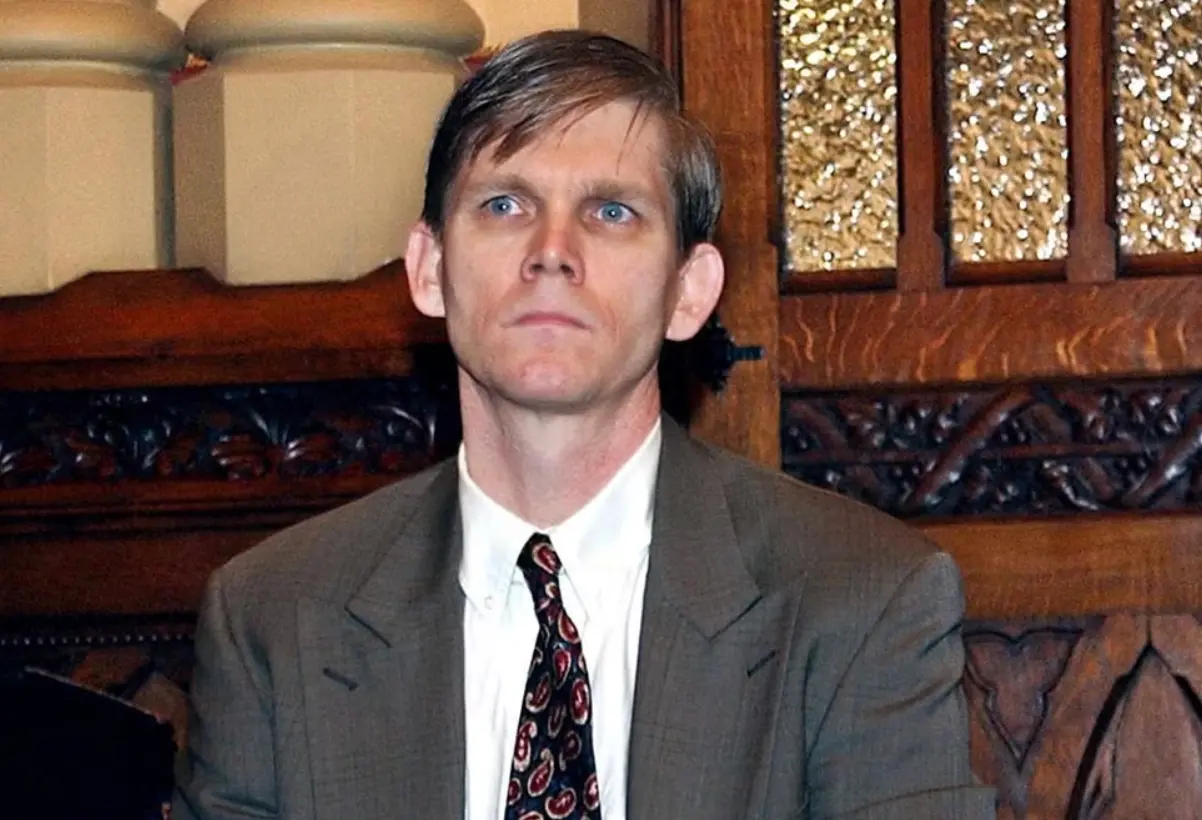
It’s been more than a quarter-century since that fateful night in Monaco, yet the name Ted Maher still stirs up a mix of intrigue, skepticism, and outright disbelief. Now 67 years old, Maher is spending his days in a medical unit at the Central New Mexico Correctional Facility near Albuquerque, grappling with late-stage throat cancer while serving a fresh nine-year sentence. The conviction came earlier this year—March for the guilty verdict on solicitation to commit first-degree murder, and July for the maximum sentencing—stemming from a botched plot to have his estranged fourth wife, Kim Lark, killed. Authorities say he tried to pay a fellow inmate to overdose her with fentanyl, all in hopes of claiming insurance money and property. Thankfully, the scheme unraveled before anyone was harmed, but it landed him behind bars once again, with the earliest possible release not until around 2031, assuming his health holds.
Maher’s story has always felt like something out of a thriller novel gone wrong. Back in 1999, he was a 41-year-old registered nurse, recently hired through a wealthy connection to care for billionaire banker Edmond Safra in his ultra-secure Monaco penthouse. Safra, battling advanced Parkinson’s, needed round-the-clock attention from a team of nurses, and Maher—touted as a former Green Beret with military grit—seemed like a perfect fit, doubling as potential protection for the paranoid financier.
That December night, chaos erupted. Maher claimed masked intruders stabbed him and invaded the home. He said he lit a small fire in a wastebasket to trigger alarms and alert help, then urged Safra and fellow nurse Vivian Torrente to barricade in the fortified dressing room. But the blaze spread faster than anticipated, toxic smoke filled the air, and delays in the rescue—fueled by fears of armed attackers—proved fatal. By the time firefighters breached the room hours later, both Safra and Torrente had suffocated.
Maher’s tale quickly fell apart under scrutiny. No evidence of intruders, self-inflicted wounds, and a confession (which he later recanted as coerced) pointed to a desperate bid for heroism. Feeling insecure among the other nurses and eager to prove his worth, he staged the crisis, or so the prosecution argued. In 2002, a Monaco court convicted him of arson causing death, handing down a 10-year sentence. He served eight, including time after a dramatic prison escape attempt, before release in 2007.
Returning to the U.S., Maher tried reinventing himself, legally changing his name to Jon Green and scraping by with jobs like trucking and elder care. But old habits—or new troubles—caught up. His nursing license got revoked for not disclosing the conviction. Marriages crumbled; by the early 2020s, he was in New Mexico, married to physician Kim Lark, involved in search-and-rescue dog training. That union soured fast, leading to burglary charges in 2022 when he allegedly broke into her office, stole cash, a gun, and more. A multi-state manhunt followed after he reportedly took her vehicle and dogs, ending with his arrest in Texas.
While detained awaiting those trials, the murder-for-hire plot emerged. From jail, Maher allegedly solicited help to eliminate Lark, sealing his current fate. The Netflix documentary Murder in Monaco, which dropped just yesterday on December 17, features extensive interviews with Maher himself, where he sticks to his version: the fire was a panicked response to real danger, the deaths accidental amid bungled rescues, and his confession forced under duress while recovering in hospital.